Cleavable vs. Non-Cleavable PEG Linkers: Pros, Cons, and Applications
Posted on July 1, 2025
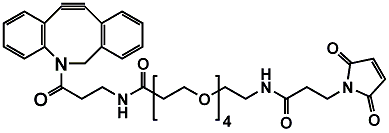
Polyethylene glycol (PEG) linkers are indispensable tools in pharmaceutical and biotechnology research. By connecting two molecules or materials, these linkers enable precise control over bioconjugation processes and targeted delivery mechanisms. Depending on their functional design, PEG linkers are classified into two categories—cleavable PEG linkers and non-cleavable PEG linkers. Each serves distinct purposes, offering unique benefits and limitations based on the application.
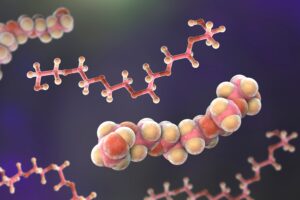
PEG linkers are chemical compounds composed of polyethylene glycol chains with functional groups at either end. These reactive end groups enable covalent bonding with compatible molecules or surfaces. Thanks to the biocompatibility, hydrophilicity, and inert nature of PEG, these linkers are widely used in biomedical and material science applications. They improve solubility, reduce immunogenicity, and provide flexibility in molecular design.
Targeted Drug Delivery, Redefined with Antibody-Drug Conjugates
Within this broad category, cleavable and non-cleavable PEG linkers address specific research and therapeutic needs. Here’s how they differ.
Cleavable PEG Linkers
Cleavable PEG linkers are engineered to form bonds that can be selectively broken under specific conditions. This design makes them ideal for applications where the targeted release or detachment of molecules is critical, such as drug delivery or signal-triggered bioconjugation.
Advantages of Cleavable PEG Linkers
1. Targeted Action:
Cleavable linkers enable payload release in response to specific stimuli like pH changes, enzymatic activity, or reducing agents. For example, drugs can be released in acidic tumor environments or intracellular compartments.
2. Controlled Degradation:
These linkers can degrade or release their payloads precisely when and where needed, minimizing systemic side effects and increasing therapeutic efficacy.
3. Versatile Stimuli:
Various cleaving mechanisms, including pH sensitivity, enzymatic cleavage, and reduction sensitivity, allow researchers to design systems tailored to specific biological pathways or environments.
4. Reduced Toxicity:
Cleavable PEG linkers minimize toxicity by enabling tumor-specific drug release via enzymatic cleavage (e.g., cathepsin B) while stabilizing ADCs systemically. PEGylation prolongs circulation, enhancing tumor accumulation and preventing off-target payload release in healthy tissues. This targeted activation reduces systemic toxicity and immunogenicity, expanding the therapeutic window.
Featured Products
Select options
This product has multiple variants. The options may be chosen on the product page
$275.00–$495.00Price range: $275.00 through $495.00
Disadvantages of Cleavable PEG Linkers
1. Complexity of Design:
The ability to cleave selectively under specific conditions requires intricate chemical synthesis, increasing production complexity and cost.
2. Stability Challenges:
Cleavable linkers can deteriorate prematurely if exposed to unintended stimuli during manufacturing, storage, or application.
Applications of Cleavable PEG Linkers
1. Drug Delivery Systems:
Cleavable PEG linkers are particularly valuable in tumor-targeted drug delivery. For instance, hydrazone linkers release drugs in response to acidic conditions in the tumor microenvironment.
2. Antibody-Drug Conjugates (ADCs):
These linkers connect monoclonal antibodies to cytotoxic drugs, cleaving the bond to release the therapeutic payload upon reaching the cancer cells.
3. Hydrogels:
Cleavable PEG linkers are used in hydrogel systems designed for controlled degradation, enabling the release of encapsulated enzymes, growth factors, or pharmaceuticals over time.
4. Biosensors:
Some diagnostic applications employ cleavable PEG linkers to release signal molecules in response to the presence of target analytes.
Non-Cleavable PEG Linkers
Non-cleavable PEG linkers, in contrast, form stable covalent bonds that remain intact throughout their intended use. Built for durability, they are designed for applications where long-term stability and robustness are essential.
Advantages of Non-Cleavable PEG Linkers
1. Stability:
Non-cleavable linkers resist degradation under physiological conditions, ensuring prolonged functionality and predictability.
2. Simplified Design:
Their stable bonds simplify chemical synthesis and manufacturing, making them less prone to premature degradation compared to cleavable variants.
3. Enhanced Molecular Stability:
Non-cleavable linkers often improve the stability and solubility of therapeutic molecules, especially proteins or peptides.
Disadvantages of Non-Cleavable PEG Linkers
1. Payload Irreversibility:
Since the bond cannot be broken, non-cleavable linkers are unsuitable for applications requiring payload release or triggered separation.
2. Potential for Steric Hindrance:
The permanent nature of the bond may interfere with molecular interactions in dynamic biological systems, particularly when steric effects come into play.
Applications of Non-Cleavable PEG Linkers
1. Protein or Peptide Modification (PEGylation):
Non-cleavable PEG linkers are used to attach PEG molecules to therapeutic proteins, enhancing their solubility, reducing immunogenicity, and prolonging circulation time in the body.
2. Diagnostic Platforms:
These linkers permanently attach biomolecules like antibodies or enzymes to assay surfaces, ensuring signal stability in diagnostic tests and biosensors.
3. Long-Lasting Hydrogels:
Non-cleavable crosslinkers are frequently incorporated into hydrogel networks used in tissue engineering and wound dressings, providing mechanical stability and long-term functionality.
4. Material Science Applications:
Non-cleavable linkers are employed to create robust polymer networks or surface coatings for medical implants and devices.
Side-by-Side Comparison
Feature
Cleavable PEG Linkers
Non-Cleavable PEG Linkers
Bond Nature
Temporary; facilitates payload release
Permanent; ensures long-term stability
Triggered Release
Yes; responds to stimuli like pH, enzymes, or redox
No; bonds cannot be intentionally broken
Applications
ADCs, targeted drug delivery, hydrogels
PEGylation, diagnostics, durable scaffolding
Design Complexity
High; requires fine-tuning for controlled cleaving
Lower; simpler and less prone to degradation
Stability
Less stable; may degrade prematurely
Highly stable; resistant to environmental factors
Choosing Between Cleavable and Non-Cleavable PEG Linkers
The decision between cleavable and non-cleavable PEG linkers depends heavily on the specific objectives of a project.
Cleavable linkers are better suited for applications demanding controlled degradation or payload release. For instance, in cancer therapies where drugs should activate only within tumor sites, cleavable linkers are indispensable.
Non-cleavable linkers shine in situations where stability and durability are paramount. Long-term protein therapies, diagnostic tools requiring persistent functionality, or scaffolds for tissue engineering often depend on non-cleavable designs.
By understanding the strengths and limitations of each type, researchers and developers can create systems tailored to their desired outcomes.
Final Thoughts
Cleavable and non-cleavable PEG linkers serve as critical tools in modern sciences, enabling advancements in pharmaceutical development, biotechnology research, and material science. From providing targeted drug delivery to enhancing protein therapeutics, these linkers continue to widen the horizons of innovation and application.
By choosing the right type of PEG linker for your specific application, you can achieve optimal performance, reduce side effects, and enhance the overall efficacy of your project.
This product is currently on backorder. If you’d like to request it, please fill out the form below.
We use cookies to ensure that we give you the best experience on our website. If you continue to use this site we will assume that you are happy with it.