

Our Mission Statement
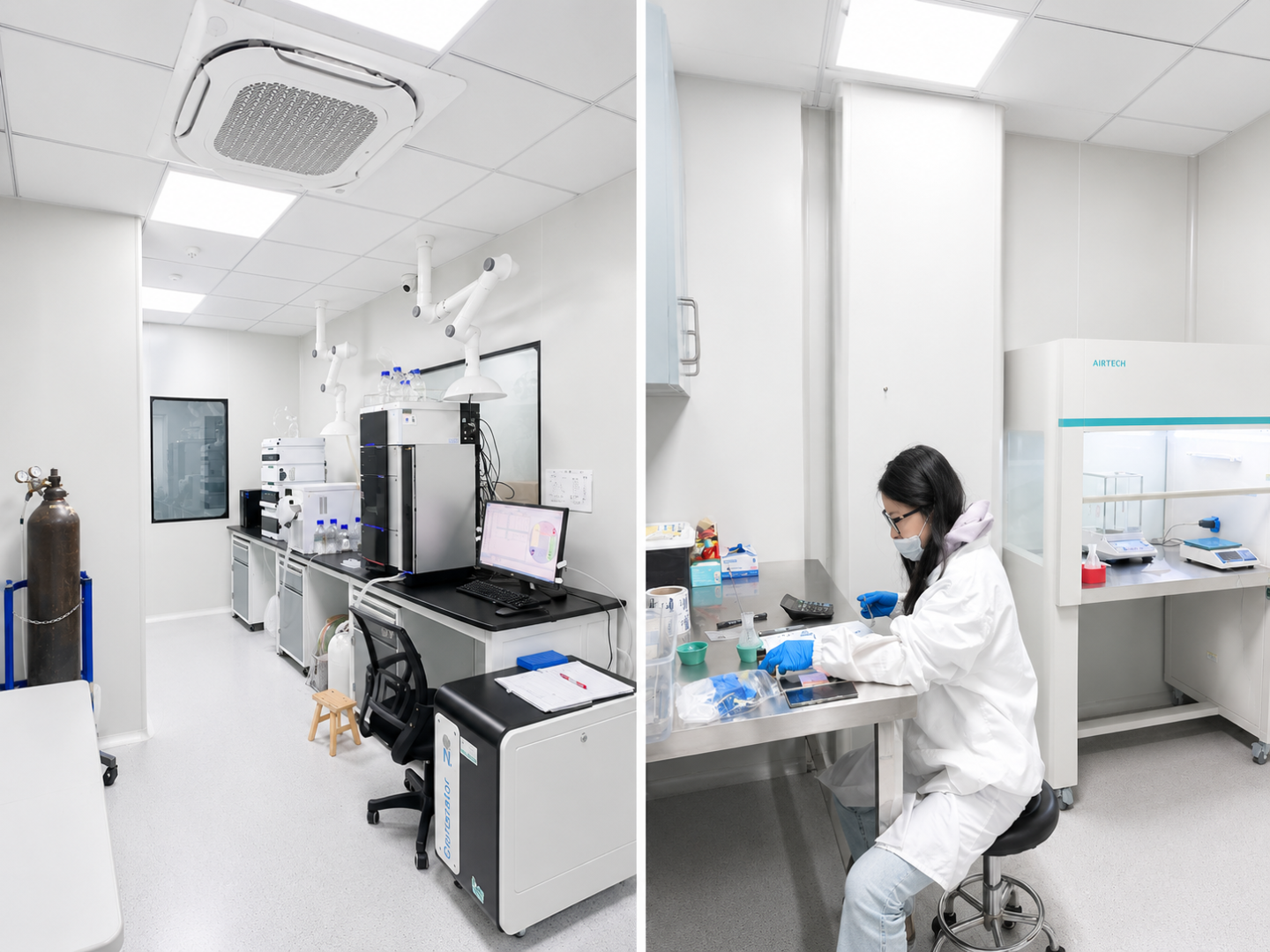
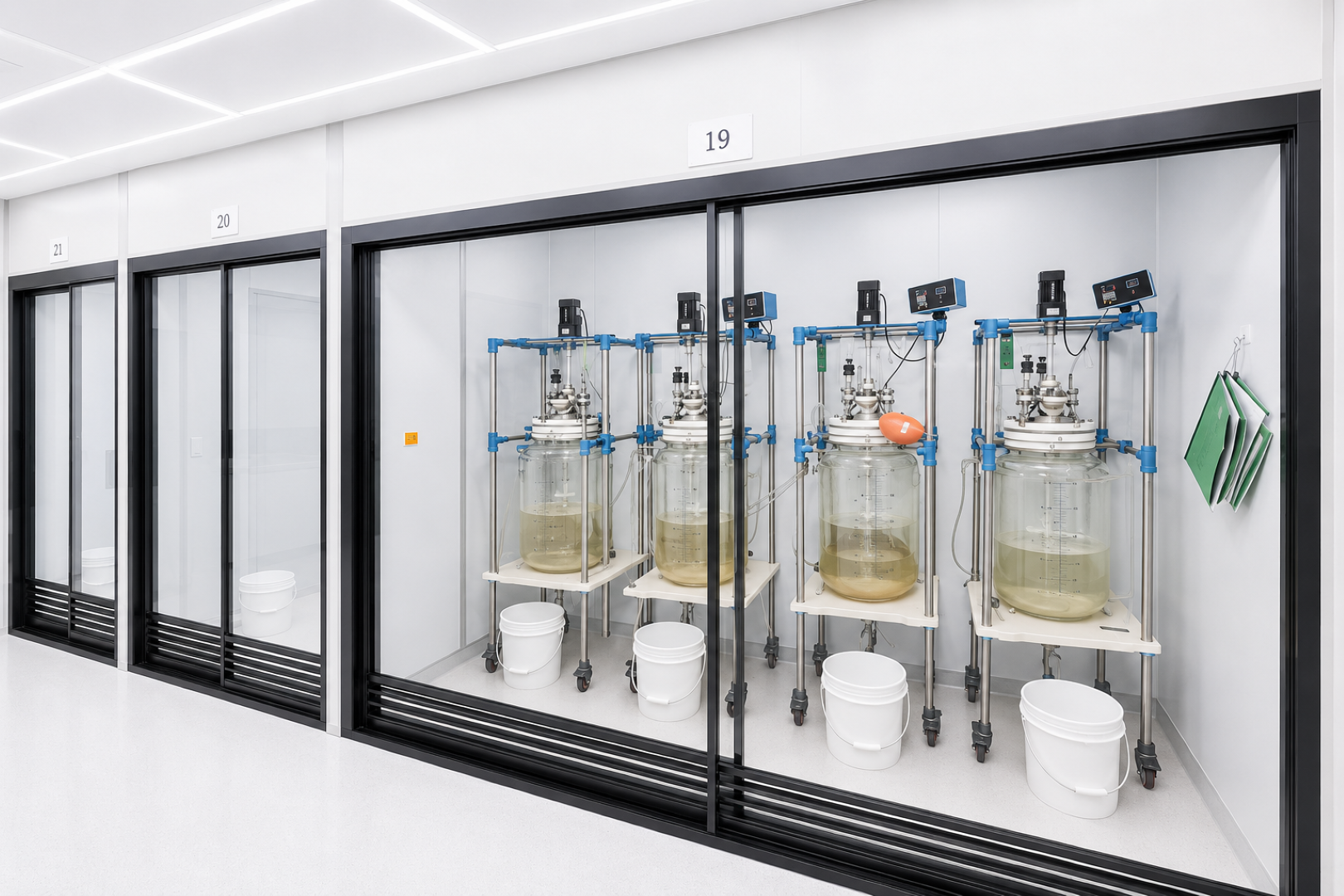
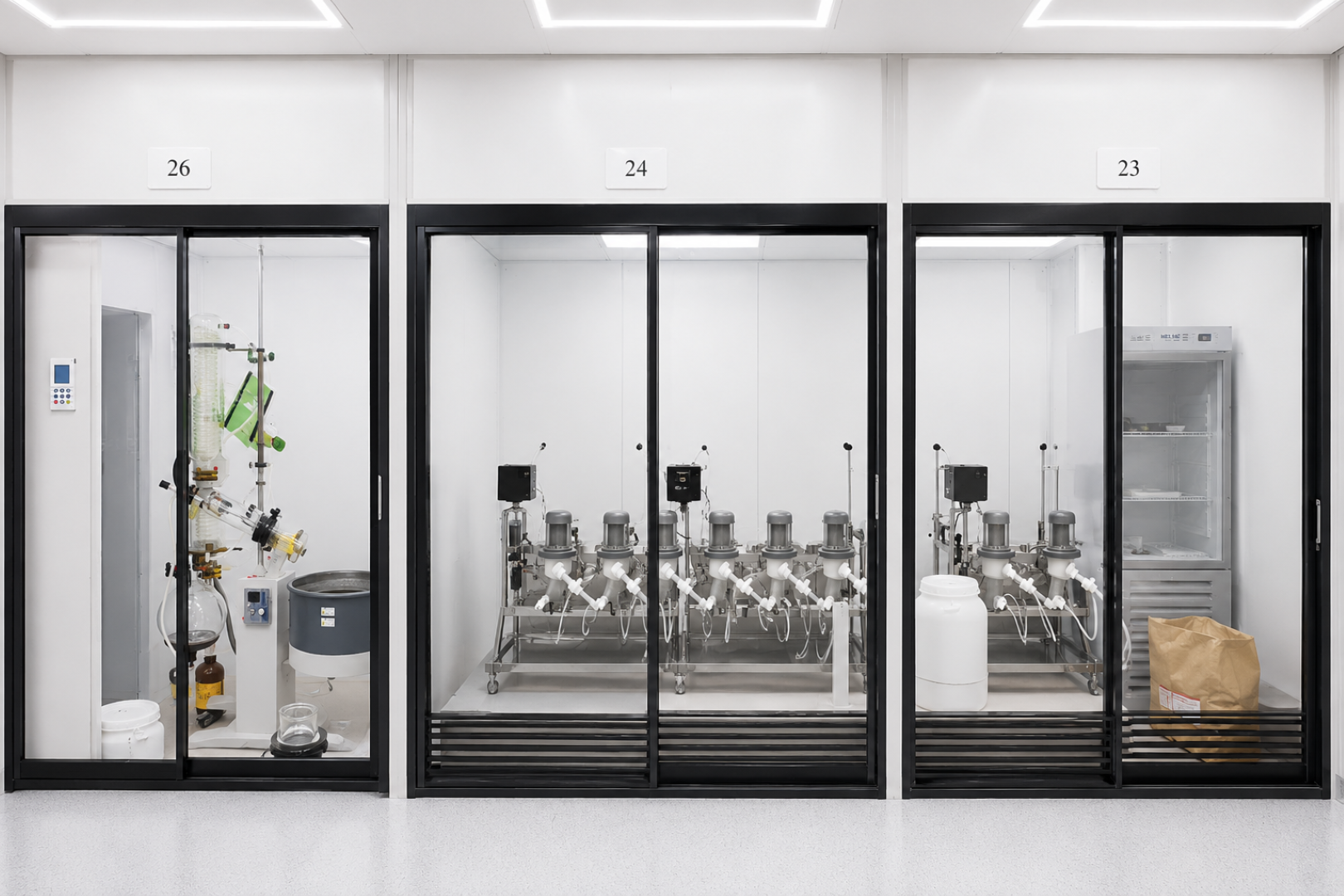
PurePEG is dedicated to providing high quality, high purity, monodisperse polyethylene glycol (PEG) for academic and commercial use. Our proprietary PurePEG® technology allows us to manufacture PEGs to adhere to our high standards and purity. In addition to our growing catalog of over 1500 unique compounds, we also strive to provide new research, custom synthesis, and highly accurate analytical test methods to ensure all of our products are of the highest quality possible.
Custom Synthesis
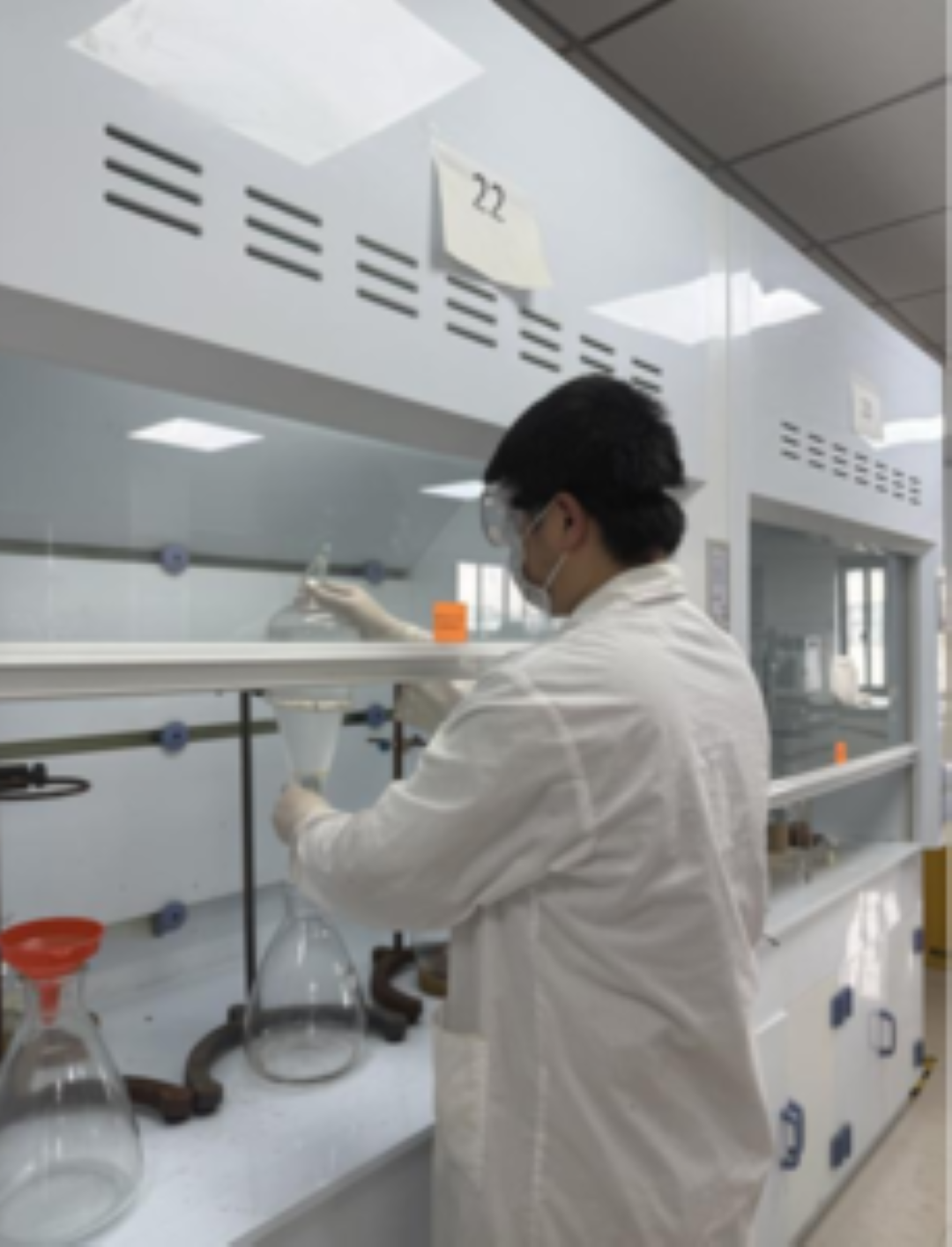
PurePEG delivers high-quality custom synthesis and contract research for a number of PEG products from milligram scale up to a metric ton. We guarantee competitive pricing, high quality, fast delivery and strict intellectual property protection. Please clearly specify the structure, purity, quantity and CAS number (if available) of the compound(s) you are interested in. We will respond within 48 hours of your request with a quote and lead time for the compound(s).
Certificate of Analysis (CoA)
CoAs will be provided for all products ordered from PurePEG. Mass spectrometry data can also be provided upon request.
Analytical Test Methods
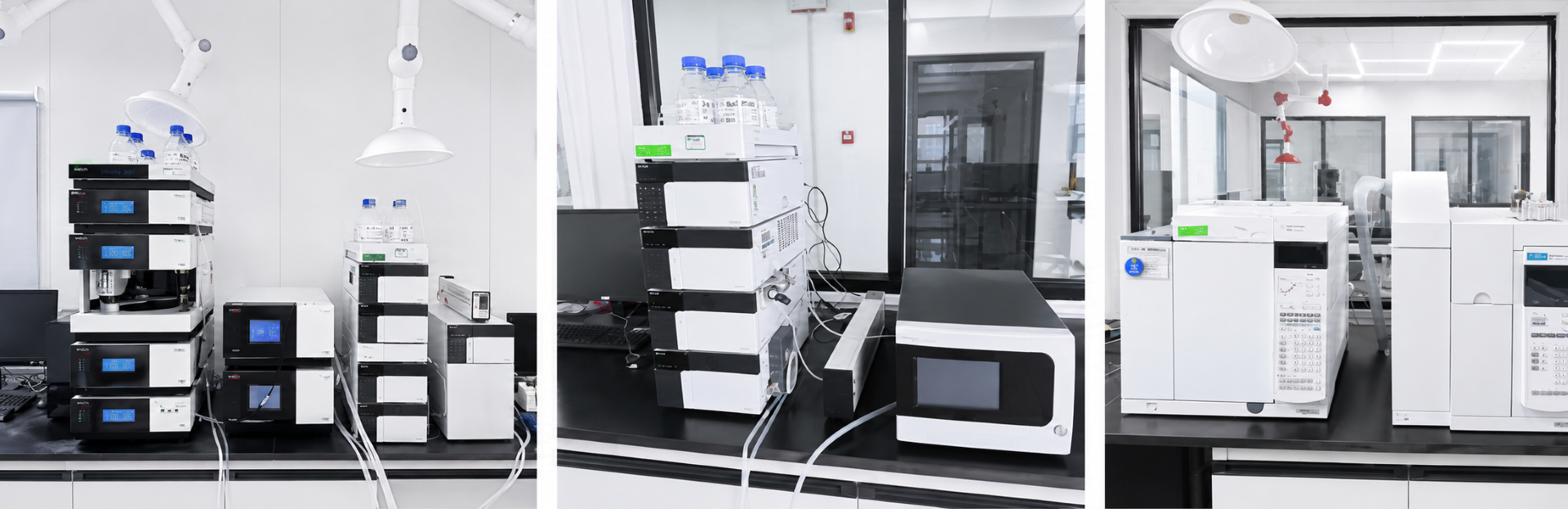
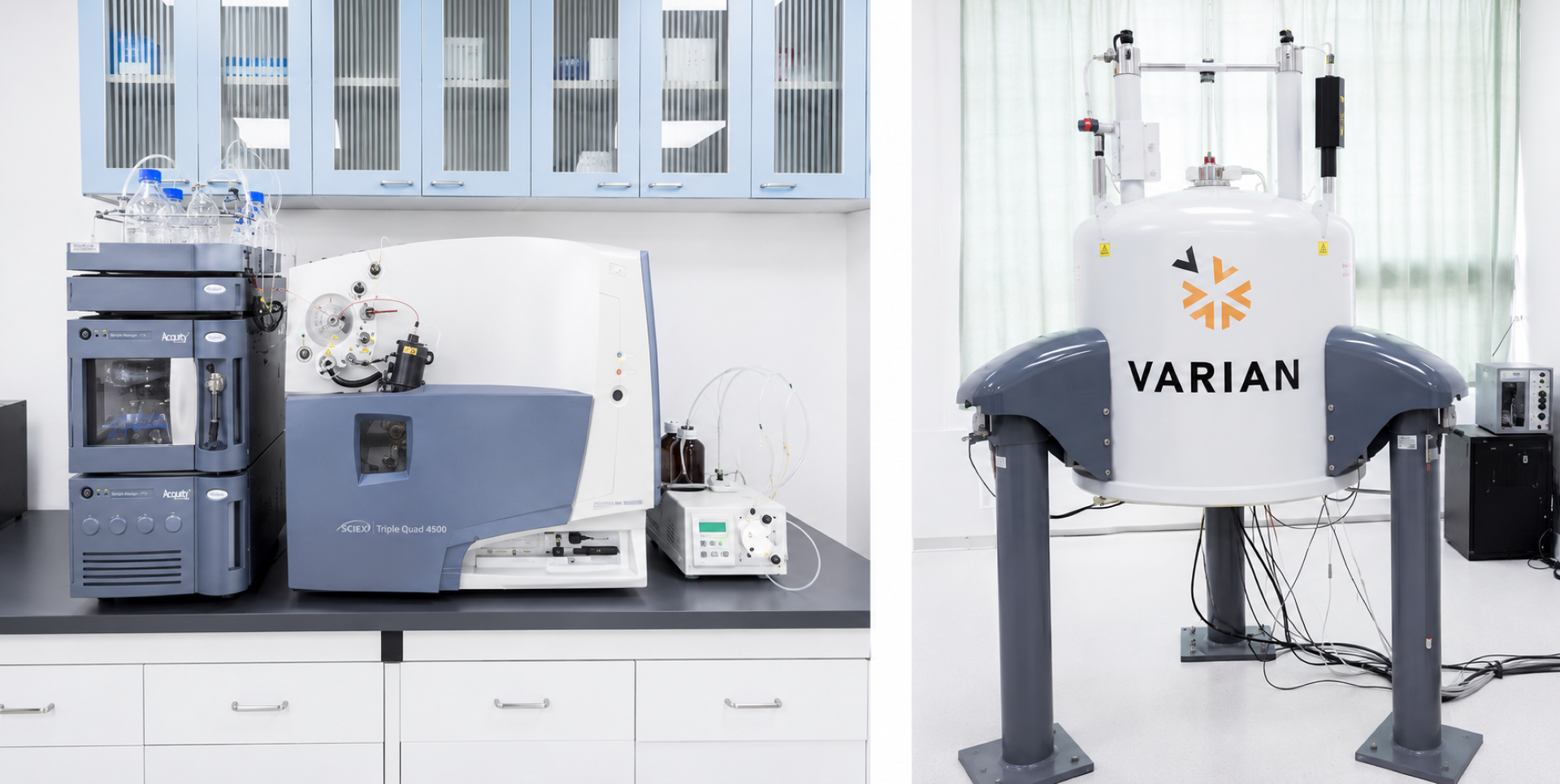
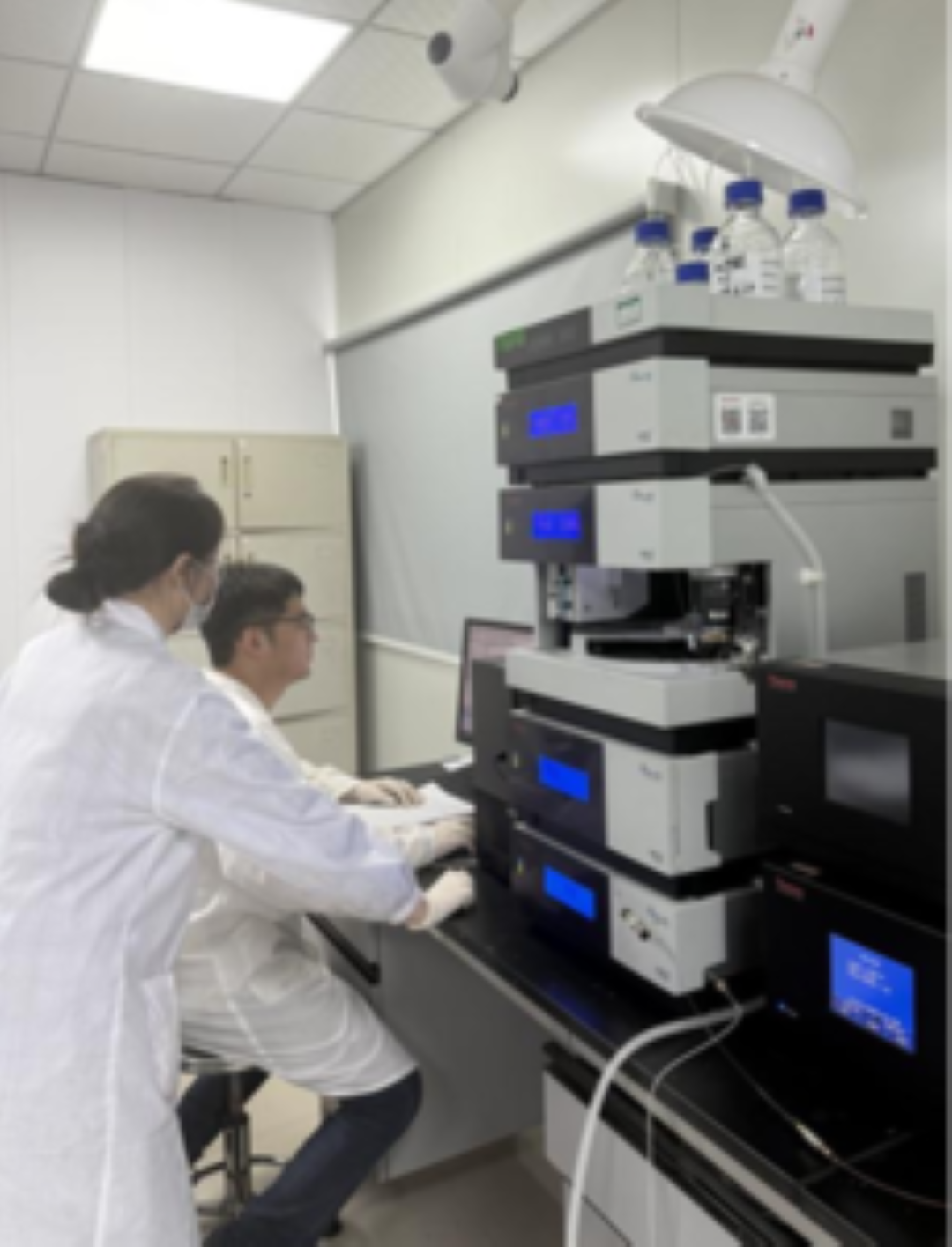
A number of analytical methods are available for your review. PurePEG and its parent company reserve the right to disclose certain information under a Confidentiality Disclosure Agreement. PurePEG is able to develop custom analytical methods and to integrate additional testing for customized products in order to tailor our testing to best fit your needs.


Quality Responsibilities
- Qualification and validation activities
- Control of documents
- Batch record review
- Product release
- Investigation of non-conformances
- Risk assessment
- Implementation of corrective and preventive actions
- Change control and customer notifications
- Training
- Review and approval of final and raw material product specifications
- Review and approval of all manufacturing and packaging documents and operating procedures
- Method development and method validation of assays
- Writing and approving quality control procedures and protocols
- Sampling and testing of raw materials and final products
PurePEG Applications
Drug Delivery
Drug Delivery refers to a system, technology, or method designed to administer therapeutic agents (drugs) to a patient in a controlled, efficient, and targeted manner. These applications can be physical devices, formulations, or digital platforms that optimize how a drug is absorbed, distributed, and released in the body.
Drug Delivery
Drug Delivery refers to a system, technology, or method designed to administer therapeutic agents (drugs) to a patient in a controlled, efficient, and targeted manner. These applications can be physical devices, formulations, or digital platforms that optimize how a drug is absorbed, distributed, and released in the body.
PEG Lipids: by attaching PEG lipids, the surface of the nanoparticle or liposome becomes “stealthy” meaning it is less likely to be detected by the body’s immune system, which helps avoid rapid clearance and improves the effectiveness of treatments.
PEG Lipids can be incorporated into vaccines to help with the delivery of antigens or mRNA, enhancing the stability and effectiveness of the vaccine.
PEGylated Lipids are also used in gene therapy to help deliver genetic material like DNA and RNA into cells effectively
Heterobifunctional PEGs might have one end that reacts with a drug molecule and the other end that can interact with a targeting molecule, like an antibody.
The PEG linker can also be used to design drug delivery systems with controlled or sustained release properties.
Bioconjugation
Bioconjugation is the process of chemically linking two biomolecules or a biomolecule with a synthetic molecule to create a hybrid system with enhanced functionality.
Bioconjugation
Bioconjugation is the process of chemically linking two biomolecules or a biomolecule with a synthetic molecule to create a hybrid system with enhanced functionality.
Heterobifunctional PEGs are used in protein conjugation. One end might react with a protein or antibody, while the other end could be used to attach to a cell surface, targeting receptor or other biomolecule.
Click chemistry refers to a set of highly selective, efficient, and bio-orthogonal chemical reactions used in bioconjugation to link biomolecules such as proteins, peptides, nucleic acids, and small molecules. Click reagents are used because they enable fast, specific, and high-yielding reactions under mild conditions, making them ideal for biological applications.
Nanomedicine
Nanomedicine is the application of nanotechnology in medicine for diagnosis, treatment, drug delivery, and regenerative medicine at the nanoscale (1-100 nm). It involves the use of engineered nanomaterials such as nanoparticles, liposomes, quantum dots, and nanocarriers to improve the precision and effectiveness of medical treatments.
Nanomedicine
Nanomedicine is the application of nanotechnology in medicine for diagnosis, treatment, drug delivery, and regenerative medicine at the nanoscale (1-100 nm). It involves the use of engineered nanomaterials such as nanoparticles, liposomes, quantum dots, and nanocarriers to improve the precision and effectiveness of medical treatments. PEG-lipids are commonly used in liposome formulations. PEG-lipids reduce the aggregation of liposomes and enhance their stability and biocompatibility, making them suitable for encapsulating hydrophobic drugs and improving their circulation time in the bloodstream. This is especially useful in cancer therapies where PEGylated liposomes deliver chemotherapy drugs directly to tumors.
Protein Modification
Protein modification refers to the chemical, enzymatic, or structural alteration of proteins to modify their function, stability, localization, or interactions. These modifications can occur naturally (post-translational modifications) or synthetically (for bioconjugation and therapeutic applications).
Protein Modification
Protein modification refers to the chemical, enzymatic, or structural alteration of proteins to modify their function, stability, localization, or interactions. These modifications can occur naturally (post-translational modifications) or synthetically (for bioconjugation and therapeutic applications). Various types of PEG compounds are used in protein modification, each serving a specific purpose based on the requirements of the therapeutic or diagnostic application. The most commonly used PEG compounds for protein modification include methoxy-PEG (mPEG) for extended circulation time, PEG-COOH and PEG-NH₂ for conjugation purposes, PEG-activated esters (e.g., PEG-NHS) for efficient coupling, and PEG-based block copolymers and dendrimers for advanced drug delivery systems. The choice of PEG compound depends on factors like the desired protein behavior, the method of conjugation, and the intended application in nanomedicine or biopharmaceuticals.
Antibody-Drug Conjugates
Antibody-Drug Conjugates (ADCs) are a class of targeted cancer therapies that combine the specificity of monoclonal antibodies (mAbs) with the potency of cytotoxic drugs (chemotherapy). ADCs are designed to selectively deliver powerful drugs to cancer cells while minimizing damage to healthy tissues.
Antibody-Drug Conjugates
Antibody-Drug Conjugates (ADCs) are a class of targeted cancer therapies that combine the specificity of monoclonal antibodies (mAbs) with the potency of cytotoxic drugs (chemotherapy). ADCs are designed to selectively deliver powerful drugs to cancer cells while minimizing damage to healthy tissues.
In Antibody-Drug Conjugates (ADCs), linkers with protecting groups are essential for stability, selectivity, and controlled drug release. These linkers attach the cytotoxic payload (drug) to the antibody while protecting reactive functional groups until they reach the tumor site.
Targeted Therapies
Heterobifunctional PEGs play a key role in targeted drug delivery, enhancing the therapeutic effect while minimizing the side effects. One functional group on the PEG molecule can be used to attach a drug or therapeutic agent (chemotherapeutic agent)
Targeted Therapies
Heterobifunctional PEGs play a key role in targeted drug delivery, enhancing the therapeutic effect while minimizing the side effects. One functional group on the PEG molecule can be used to attach a drug or therapeutic agent (chemotherapeutic agent) while the other can bind to a targeting ligand or antibody that recognizes specific receptors on diseased cells (cancer cells). This helps ensure that the drug is delivered specifically to the targeted area, improving efficiency and reducing toxicity.
Diagnostic Tools
A diagnostic tool is any instrument, device, software, or method used to detect, monitor, or analyze diseases, medical conditions, or biological markers in a patient. These tools help healthcare professionals in early detection, diagnosis, prognosis, and treatment planning.
Diagnostic Tools
A diagnostic tool is any instrument, device, software, or method used to detect, monitor, or analyze diseases, medical conditions, or biological markers in a patient. These tools help healthcare professionals in early detection, diagnosis, prognosis, and treatment planning. In imaging diagnostics, PEGylation is commonly used to modify nanoparticles, liposomes, and other contrast agents to improve their stability, biocompatibility, and circulation time.
Methoxy-PEG (mPEG) This is the most commonly used PEG for modifying contrast agents. The methoxy group (–OCH₃) at the terminal end of the polymer enhances the stability of the contrast agents and reduces the risk of hydrolysis, making them more suitable for in vivo applications.
PEG with a carboxyl group at the end allows for further functionalization, which is useful in attaching targeting ligands, enhancing imaging specificity, or providing reactive sites for conjugation with other molecules.
Materials Science
Materials Science is an interdisciplinary field that studies the structure, properties, processing, and applications of materials. It combines principles from physics, chemistry, and engineering to develop and improve materials for various industries, including electronics, medicine, aerospace, and nanotechnology.
Materials Science
Materials Science is an interdisciplinary field that studies the structure, properties, processing, and applications of materials. It combines principles from physics, chemistry, and engineering to develop and improve materials for various industries, including electronics, medicine, aerospace, and nanotechnology.
In biomaterials and tissue engineering, heterobifunctional PEGs can be used to crosslink different biomolecules or polymer chains, helping to form more complex structures or networks.
Click reagents are used to create new materials, polymers, or coatings with specific properties.
Photodynamic Therapy
Photodynamic Therapy (PDT) is a minimally invasive medical treatment that uses a photosensitizing drug, light, and oxygen to destroy diseased cells, particularly in cancer treatment, dermatology, and antimicrobial therapy.
Photodynamic Therapy
Photodynamic Therapy (PDT) is a minimally invasive medical treatment that uses a photosensitizing drug, light, and oxygen to destroy diseased cells, particularly in cancer treatment, dermatology, and antimicrobial therapy.
Methoxy-PEG (mPEG) is one of the most commonly used PEG derivatives in PDT. Its hydrophilic nature and the stability provided by the methoxy group (–OCH₃) at the end of the PEG chain make it suitable for enhancing the solubility and reducing the toxicity of photosensitizers in the bloodstream.
Carboxylated PEG (PEG-COOH) contains a carboxyl group at the terminal end, making it useful for conjugation reactions with photosensitizers or other molecules. The carboxyl group allows for easier coupling to targeting ligands, antibodies, or other biomolecules.
Imaging and Labeling
Imaging and labeling in Photodynamic Therapy (PDT) refers to techniques used to track photosensitizers, monitor treatment progress, and enhance targeting accuracy in real time. These approaches improve PDT efficacy by ensuring precise light activation and minimal damage to healthy tissues.
Imaging and Labeling
Imaging and labeling in Photodynamic Therapy (PDT) refers to techniques used to track photosensitizers, monitor treatment progress, and enhance targeting accuracy in real time. These approaches improve PDT efficacy by ensuring precise light activation and minimal damage to healthy tissues.
Heterobifunctional PEGs and peptide and protein labeling: one functional group of the PEG can be used to attach a peptide or protein to a fluorescent marker, enzyme, or magnetic bead. This conjugation allows easier tracking, detection and analysis in diagnostic tests and research applications.

Got Questions?
Get Answers Now!
Our PEG experts are standing by to solve your doubts instantly. No waiting, no complications – just rapid, reliable answers to keep your research moving forward.
From complex custom synthesis queries to product selection guidance, we’re here to help – in real-time.

Got Questions?
Get Answers Now!
Our PEG experts are standing by to solve your doubts instantly. No waiting, no complications – just rapid, reliable answers to keep your research moving forward.
From complex custom synthesis queries to product selection guidance, we’re here to help – in real-time.
