


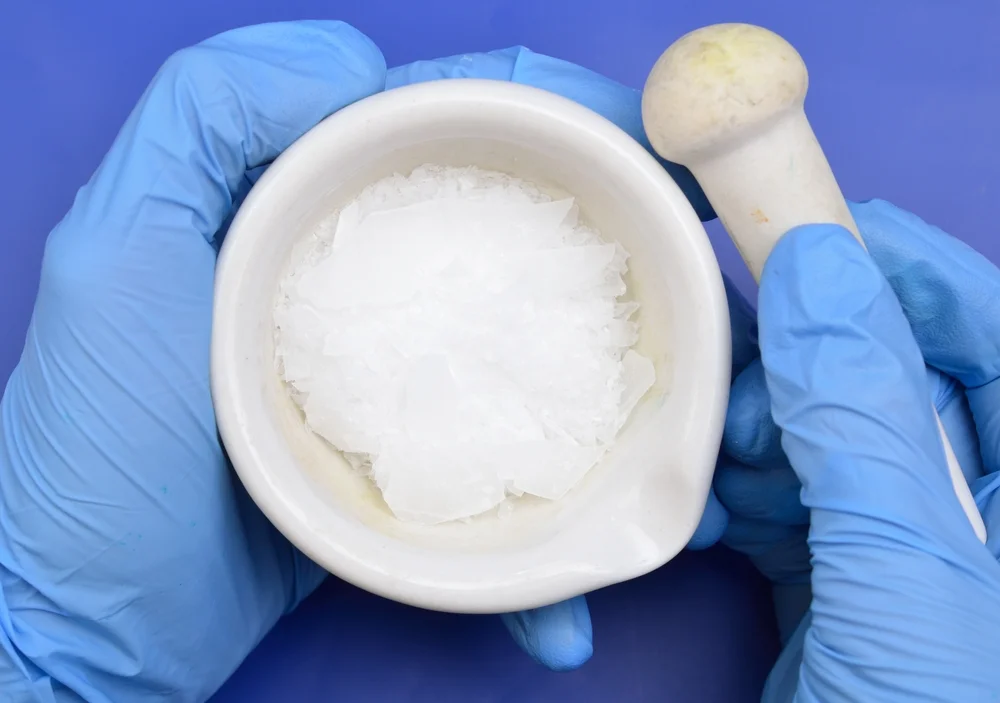
High-Purity Polyethylene Glycol Reagents for Advanced Bioconjugation, Drug Delivery, and Nanomedicine
Polyethylene glycol (PEG) reagents are foundational materials in modern bioconjugation, drug delivery, nanomedicine, diagnostics, and advanced materials science. At PurePEG, we specialize in high-purity, monodisperse PEG reagents and building blocks engineered for reproducibility, regulatory readiness, and next-generation biomedical applications.
This page serves as the central authority hub for PEG reagents — explaining what they are, how they are used, how to select the right PEG structure, and how our PEG building blocks connect seamlessly to functionalized PEGs, PEG linkers, ADC technologies, and PEG lipids.
What Are PEG Reagents?
PEG reagents are defined-length polyethylene glycol molecules designed to act as spacers, solubilizers, surface modifiers, or chemical handles in molecular and nanoscale systems. Unlike commodity PEG polymers, reagent-grade PEGs are synthesized with:
- Controlled molecular weight
- Defined end groups
- Low polydispersity
- High chemical purity
- Reproducible batch-to-batch performance
These properties are critical when PEG is used in biological systems, where subtle differences in chain length or end-group chemistry can dramatically affect activity, stability, and safety.
PEG reagents function as building blocks — they are rarely the final product. Instead, they enable:
- Protein and peptide conjugation
- Antibody and antibody–drug conjugates (ADCs)
- Nanoparticle and lipid nanoparticle (LNP) stabilization
- Drug solubilization and circulation control
- Surface modification of medical devices
- Controlled release and targeting strategies
Why PEG Reagents Matter in Advanced Applications
PEG’s unique physicochemical properties make it indispensable:
- Hydrophilicity – improves solubility of hydrophobic molecules
- Flexibility – acts as a molecular spacer without steric rigidity
- Biocompatibility – widely accepted in pharmaceutical systems
- Stealth behavior – reduces protein adsorption and immune recognition
However, these benefits are only realized when PEG structure is precisely matched to the application. This is why reagent-level control — not bulk polymer sourcing — is essential.
For functional PEGs with reactive end groups, see Functionalized PEGs.
Core PEG Reagent Families
PurePEG’s PEG reagent portfolio is organized into four foundational families, each serving distinct chemical and biological roles.
1. HO-PEG-OH (Diol PEG Reagents)
HO-PEG-OH (hydroxyl-terminated PEG) is the most fundamental PEG building block. These PEGs feature hydroxyl groups on both termini, making them ideal starting materials for further functionalization.
Key Characteristics
- Chemically neutral
- High flexibility
- Excellent solubility
- Minimal intrinsic reactivity
Common Uses
- Precursor for PEGylation chemistry
- Polymer synthesis
- Hydrogel formation
- Surface coatings
- Spacer units in advanced materials
Why Diol PEGs Matter
HO-PEG-OH reagents allow researchers to customize functionality downstream, converting hydroxyl groups into activated esters, ethers, carbonates, or other reactive motifs.
Learn how PEG chain length influences performance in Why PEG Chain Length Matters.


2. H₂N-PEG-NH₂ (Diamino PEG Reagents)
Diamino PEGs introduce reactive primary amines at both ends of the PEG chain, enabling robust conjugation chemistry.
Key Characteristics
- Strong nucleophilicity
- Suitable for amide bond formation
- Compatible with NHS esters, activated acids, and isothiocyanates
Common Uses
- Protein and peptide conjugation
- Crosslinker synthesis
- Polymer modification
- Hydrogel networks
- Drug attachment via amide chemistry
Diamino PEGs are frequently used as linker precursors, especially in applications where stable, non-cleavable bonds are required.
Explore advanced linker strategies in PEG Linkers.
3. HOOC-PEG-COOH (Dicarboxy PEG Reagents)
Dicarboxyl PEGs provide carboxylic acid functionality on both termini, offering controlled reactivity and stability.
Key Characteristics
- Mild reactivity
- Compatible with carbodiimide chemistry (EDC/NHS)
- Excellent control over conjugation density
Common Uses
- Controlled protein conjugation
- Nanoparticle functionalization
- Drug attachment with tunable stability
- Precursor to activated ester PEGs
Carboxyl-terminated PEGs are often selected when reaction kinetics must be carefully controlled, particularly in biological systems.


4. mPEG (Monofunctional PEG Reagents)
Methoxy-terminated PEGs (mPEG) feature a single reactive end and a capped (inert) methoxy terminus.
Key Characteristics
- Asymmetric functionality
- Reduced crosslinking risk
- Excellent for surface passivation
Common Uses
- Protein PEGylation
- Nanoparticle stealth coatings
- Lipid nanoparticle stabilization
- Drug solubilization
mPEG reagents are especially important in pharmaceutical and clinical applications, where uncontrolled crosslinking can compromise safety or efficacy.
See PEG reagents specifically engineered for lipid nanoparticles in PEG Lipids.
PEG Molecular Weight & Chain Length Selection
PEG chain length is one of the most critical design parameters in PEG chemistry.
Why Chain Length Matters
- Short PEGs (PEG2–PEG6): minimal steric bulk, high reactivity
- Medium PEGs (PEG8–PEG24): balance of flexibility and shielding
- Long PEGs (PEG36–PEG48+): enhanced stealth and circulation time
Chain length affects:
- Hydrodynamic radius
- Protein accessibility
- Pharmacokinetics
- Immunogenicity
- Nanoparticle stability
PurePEG offers defined-length PEG reagents, eliminating the uncertainty associated with polydisperse PEG mixtures.
Compare PEG lengths in detail at PEG Length Selection Guide.


Monodisperse vs Polydisperse PEG Reagents
Traditional PEG materials are often polydisperse, meaning they contain a distribution of chain lengths. While acceptable for industrial uses, this variability can be problematic in biomedical systems.
Advantages of Monodisperse PEG Reagents
- Reproducible conjugation
- Predictable pharmacokinetics
- Improved regulatory alignment
- Reduced batch variability
- Enhanced analytical characterization
PurePEG specializes in high-purity, low-dispersity PEG reagents to meet the demands of advanced research and translational development.
Learn how monodisperse PEG improves ADC performance in ADC Linkers.
PEG Reagents as Precursors to Advanced Chemistries
PEG reagents rarely function alone. They are upstream enablers for more complex systems:
Functionalized PEGs
PEG reagents are converted into:
- NHS-PEG
- Maleimide-PEG
- Azide-PEG
- Alkyne-PEG
- Hydrazide-PEG
Explore these derivatives in Functionalized PEGs.
PEG Linkers
By combining PEG reagents with cleavable or non-cleavable motifs, researchers create:
- Heterobifunctional PEG linkers
- ADC linkers
- Redox- or enzyme-cleavable systems
See full linker strategies in PEG Linkers.
PEG Lipids & Nanomedicine
PEG reagents are foundational to:
- PEGylated lipids
- LNP surface shielding
- mRNA delivery systems
Dive deeper in PEG Lipids & LNPs.


Applications Enabled by PEG Reagents
PEG reagents power a wide range of applications:
- Bioconjugation – controlled attachment of biomolecules
- Drug Delivery – solubility and circulation enhancement
- Antibody–Drug Conjugates – linker spacing and stability
- Nanomedicine – particle stabilization and targeting
- Diagnostics – surface passivation and signal clarity
- Materials Science – flexible, hydrophilic polymer frameworks
See application-specific guidance in Applications.
Quality, Purity, and Regulatory Considerations
For PEG reagents used in regulated environments, quality is non-negotiable.
PurePEG emphasizes:
- Rigorous analytical characterization
- Low endotoxin levels (where applicable)
- Batch-to-batch consistency
- Scalable synthesis pathways
- Documentation readiness for regulatory submissions
Learn more about compliance support in Regulatory Considerations.


Choosing the Right PEG Reagent
When selecting a PEG reagent, consider:
- End-group functionality – hydroxyl, amine, carboxyl, methoxy
- Chain length – steric and biological effects
- Downstream chemistry – activation or linker formation
- Application environment – biological vs materials
- Regulatory pathway – research vs clinical translation
Our team supports both off-the-shelf PEG reagents and custom PEG synthesis for specialized needs.
For advanced decision-making frameworks, see PEG Linker Selection Guide.

PEG Reagents at PurePEG
PurePEG provides:
- Extensive PEG reagent inventory
- Defined molecular weights
- Broad functional diversity
- Custom synthesis capabilities
- Scientific and regulatory support
Whether you are developing early-stage research tools or clinical-stage therapeutics, our PEG reagents form a reliable foundation for success.
Next Steps
From here, explore:
- Functionalized PEGs for reactive chemistries
- PEG Linkers for advanced conjugation strategies
- PEG Lipids for LNP and mRNA delivery systems
If you need help selecting or customizing PEG reagents, contact our team to discuss your application.
